
Coverage
Boat Insurance in Florida
Florida does not generally require recreational boat owners to carry liability insurance, though many marinas and lenders do. We write hull, liability, and storm coverage through marine carriers for boats kept on the St. Johns, the Intracoastal, or offshore.
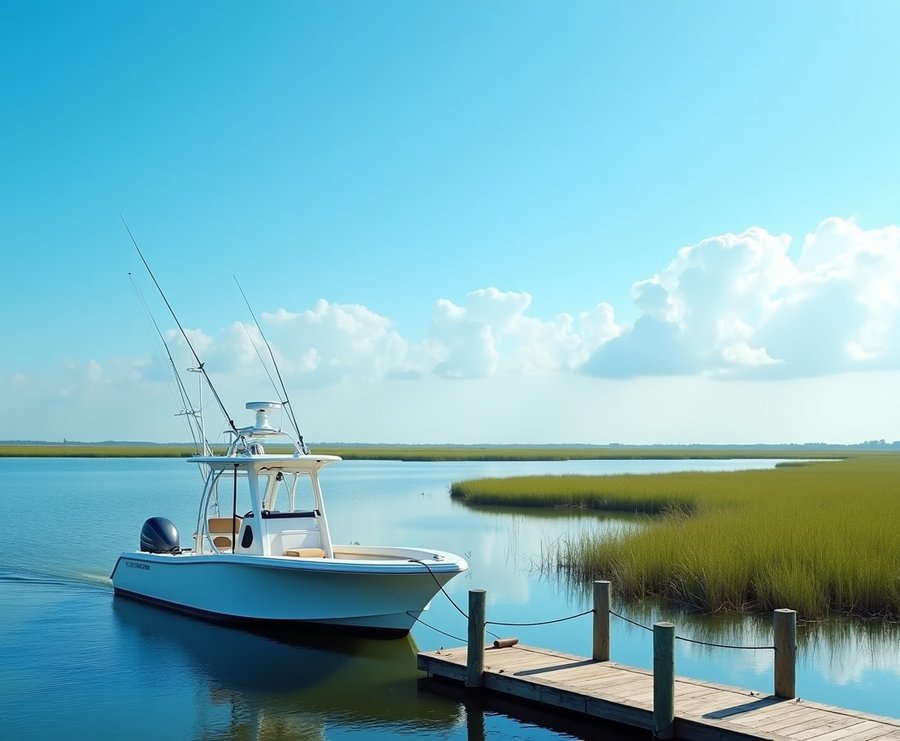
 Storm Plan in Writingbefore hurricane season starts
What’s Covered
What Boat Insurance in Florida Protects
Hull and Engine
Physical damage to the boat, its motors, and permanently attached equipment. Many homeowners forms cover a boat, trailer, and motors for no more than $1,500 combined, so a separate hull limit does the real work.
Boat Liability
Injuries and property damage you cause on the water, which no Florida minimum requires. The ISO homeowners form excludes liability for many owned boats, such as outboards over 25 horsepower never declared to the carrier.
Storm Haul-out
Some policies help pay to haul or move a boat when a hurricane threatens. Haul-out reimbursement, named-storm deductibles, and storage rules differ by carrier, and no Florida statute requires any of them.
Trailer Coverage
Damage to the trailer you tow the boat on, scheduled with the boat. On the ISO homeowners form, theft of a boat or its trailer away from the home is not covered at all.
Uninsured Boaters
Covers injuries to you when another boater at fault carries no liability coverage. No Florida statute makes recreational boaters buy any, so the other boat may have nothing to pay you with.
Pairs With an Umbrella
A personal umbrella can sit above your boat liability limit once the boat policy meets the umbrella carrier’s required minimum. That adds a layer for claims from guests aboard and other boaters.
Towing and Fuel Spills
Boat policies can carry on-water towing and assistance plus fuel spill liability, coverage a homeowners policy never offers. We list both on every quote and compare them across marine carriers.
Boats You Rent
Florida liveries must carry $500,000 per person and $1 million per event, and must insure renters at those limits or offer that coverage. Decline it, and your own boat or umbrella policy may be all that is left.
Who It’s For
Who Should Insure a Boat First
Financed Boat Owners
Lenders typically require hull coverage for the life of the loan, so a policy has to be in place before the purchase closes.
Marina Slip Holders
Many marinas require proof of liability coverage before assigning a slip, and many start their hurricane plans at the watch, roughly two days before tropical-storm-force winds.
Volusia County Boaters
Volusia had 20 reportable boating accidents in 2025 and tied St. Lucie for tenth among Florida counties in FWC’s annual report.
Younger Operators
Anyone born on or after January 1, 1988, needs a Florida boating safety education card and photo ID to run a motor of 10 horsepower or more.
Our Process
Quoting a Boat, Step by Step
Send the Boat's Details
Send the make, model, year, length, engine horsepower, and where you keep it, whether a home dock, a marina slip, or a trailer in the driveway. Note any operators born in 1988 or later.
We Compare Marine Carriers
We quote hull and liability from the marine carriers we vet and read each one’s haul-out reimbursement, named-storm deductible, and storage terms side by side, because no Florida statute sets them.
Bind and Write the Storm Plan
When you decide, we put the coverage in force and get proof to the marina or lender. Before hurricane season, we write down where the boat goes when a watch is issued and what the policy reimburses.
“Absolutely thrilled with the service Anna provided for both our car and homeowners insurance. She went above and beyond for us and our savings was remarkable!”
Dawn DiBrino · Google review
Common Questions
Boating Law and Boat Insurance
Yes, Florida registration does not require insurance, and boat owners face no general state mandate to carry liability insurance. Every vessel operated or stored on Florida waters must be registered unless exempt, such as non-motorized boats under 16 feet and any canoe or kayak. A newly purchased boat must be registered within 30 days under s. 328.46, Florida Statutes, and the bill of sale serves as the temporary certificate until then.
Often not. The standard ISO HO-3 form excludes liability for owned inboard boats, owned sailboats 26 feet or longer, and owned outboards over 25 total horsepower that were not declared to the carrier. It also excludes any boat rented to others or used for business. Florida carriers’ own forms differ, and we check yours, but a separate boat policy with its own liability limit closes the gap.
The rental business must carry it, and you may want your own. Under s. 327.54(7), Florida Statutes, a livery must carry at least $500,000 per person and $1 million per event, and it must either cover the renter at those limits or offer the renter that coverage. If you decline the offer, you sign an acknowledgment, and your own boat or umbrella policy may be the only liability coverage left.
The FWC recorded 694 reportable boating accidents in 2025, with 51 deaths, 439 injuries, and about $25.7 million in property damage across 1,027,742 registered vessels. Volusia County had 20 of those accidents, tied for tenth among Florida counties. Florida sets no liability insurance minimum for recreational boats, so the limit you carry is your own choice.
Follow your marina’s and policy’s storm plan, which often starts when a hurricane watch goes up. A hurricane watch goes out from the National Hurricane Center roughly 48 hours ahead of expected tropical-storm-force winds. Haul-out reimbursement, named-storm deductibles, and storage requirements differ by carrier, and no Florida statute sets them, so we read those terms with you before hurricane season and write the plan down.
Yes, if a card-holding or exempt person 18 or older is aboard and responsible for the vessel. Under s. 327.395, Florida Statutes, anyone born on or after January 1, 1988, needs a boating safety education card and photo ID to operate a motor of 10 horsepower or more. Licensed U.S. Coast Guard masters and operators on a private lake or pond are also exempt. List every regular operator on your quote request.
Get Started
Start My Boat Quote
Tell us the boat’s year, length, horsepower, and where it stays. We send back hull and liability quotes from the marine carriers we vet.